
Urology Medical Billing Services for U.S. Healthcare Providers
Urology billing mixes clinic visits, in-office procedures, lab work, and drug administration, often in one
appointment. A cystoscopy with biopsy. A PSA draw. A leuprolide injection. A catheter change. Every piece has
its own codes, its own rules, and its own way to get denied. 360 Clinical Solutions runs the full revenue cycle for
urology practices, so your claims capture everything you did and your team stops chasing payments.

Making Every Step of Your Revenue Cycle Work Smarter
Urology practices run on volume and variety. One morning might include BPH follow-ups, a stone consult, a
prostate biopsy, and a bladder instillation. Most of those visits involve a procedure or a drug, which means
modifier 25, global periods, drug units, and documentation that has to line up. One mistake and the claim
doesn’t pay, or pays less than it should.
We handle the whole thing: eligibility and authorization, coding, claims, denial management, and A/R follow-up.
Our certified urology coding experts know the modifiers, surgical billing, and documentation requirements, and
our team brings more than ten years of working experience. You get cleaner claims, faster payment, and a
team that isn’t buried in billing.
Why Urology Billing Is Different
Urology sits between medicine and surgery. Patients come in for a visit and leave with a cystoscopy. Or a
biopsy. Or an injection. Billing that correctly means tracking whether the visit was truly separate from the
procedure, which global period applies, and which services the payer bundles together.
Then there’s the drug side. Many urology practices buy and bill injectables like androgen deprivation therapy
and bladder instillations, which means J-codes, NDC numbers, units that must match the vial, and waste
reporting. Add in-office lab and pathology, imaging that needs prior authorization, and recurring services like
catheter changes, and you’ve got a lot of places for revenue to slip.
None of it is unmanageable. It takes people who know it cold, and who check every claim before it goes out.

Our Urology Billing Services
01
Insurance Verification & Prior Authorization
Coverage confirmed and approvals secured before the imaging,
urodynamics, or procedure, not after a denial.
02
Urology CPT Coding & Modifiers
Accurate CPT, HCPCS, and ICD-10 coding built from the procedure
note and documentation.
03
In-Office Procedure Billing
Cystoscopy, biopsy, vasectomy, and other procedures billed with the
right global periods and modifiers.
04
Same-Day Visit & Procedure Billing
Modifier 25 applied only when the visit was truly separate, with
documentation to back it up.
05
Drug & Injectable Billing
J-codes, NDCs, units, and waste reporting handled correctly for
buy-and-bill drugs.
06
Lab & Pathology Billing
In-office labs and pathology captured and coded, with CLIA
requirements checked.
07
Payment Posting & Reconciliation
Every payment matched against what the contract says you should
have received.
08
A/R Follow-Up & Collections
Aging claims worked until they’re paid, not reviewed once and
forgotten.
How We Handle Your Billing
No black box. Here’s what happens to every encounter, in order.
- STEP 01 OF 08
Intake & Verification
We collect patient and insurance details and confirm coverage before the visit, including whether the planned
test or procedure needs prior authorization.
- STEP 02 OF 08
Charge Capture
We make sure every billable service is captured, from the in-office lab to the drug administered, so nothing gets
left on the table.
- STEP 03 OF 08
Coding Review
Certified coders assign CPT, HCPCS, and ICD-10 codes from the procedure note and documentation, not
guesswork.
- STEP 04 OF 08
Global Period Check
We track the global period for every procedure, so related visits are bundled and unrelated ones are billed with
the right modifier.
- STEP 05 OF 08
Claims Scrubbing
Claims are checked against payer rules, drug unit edits, and bundling edits before submission. This is where
most denials get stopped.
- STEP 07 OF 08
Payment & Denials
Payments are posted and compared to what the contract says you should receive. Denied or underpaid claims
get corrected and resubmitted.
- STEP 08 OF 08
Reporting
You see claim status, collections, and A/R without having to ask.
Common Urology Services We Bill For
From the exam room to the procedure room, here’s what we handle most often.
- New and established patient visits, with the right modifiers
- Cystoscopy, biopsy, and stent placement or removal
- Prostate biopsy and prostate treatment procedures
- Vasectomy and other men's health procedures
- Urodynamics, uroflowmetry, and bladder scans
- Kidney stone treatment, including lithotripsy
- Rules shift by payer and by procedure, so we confirm the details before a claim goes out instead of assuming.
Urology Billing, By Practice Type
General Urology Practices
High-volume clinics where visits, procedures, and labs all land on the same day.
Urologic Oncology Practices
Prostate, bladder, and kidney cancer care, including drug administration and long treatment pathways.
Stone & Endourology Programs
Imaging, lithotripsy, and stent procedures with prior authorization and global periods to track.
Men's Health & Sexual Medicine Clinics
Visits and procedures across insurance, with coverage rules that vary widely by payer.
Female Pelvic Health & Incontinence Specialists
Urodynamics, bladder procedures, and recurring care with documentation payers scrutinize.
Multi-Provider Urology Groups
Multiple physicians, locations, and in-office surgery services run as one coordinated billing operation.
Same-Day Visits and Procedures, Explained
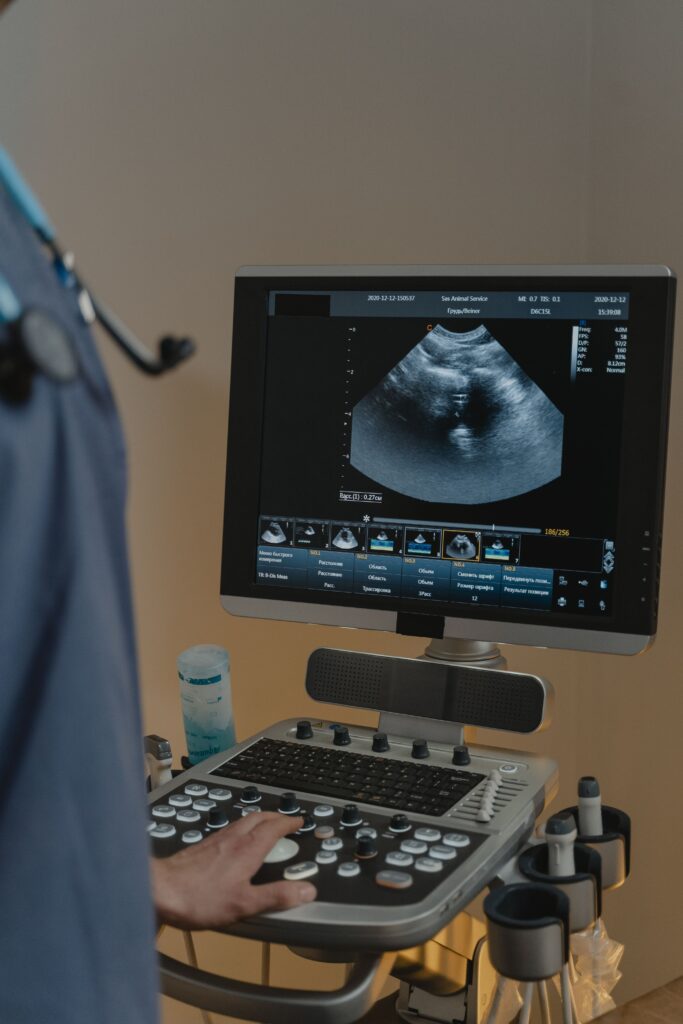
Billing an office visit and a procedure on the same day is one of the most audited areas in urology. The rule is
straightforward. If the visit includes a significant, separately identifiable evaluation beyond the usual work that
comes with the procedure, modifier 25 can go on the visit. If the visit was just the decision to do the procedure
and the pre-procedure check, it can’t. Payers read the documentation to decide. Each procedure also carries a
global period of 0, 10, or 90 days, so related follow-up visits may be bundled. We check both before every claim
goes out.
Billing Drugs and Injectables Correctly
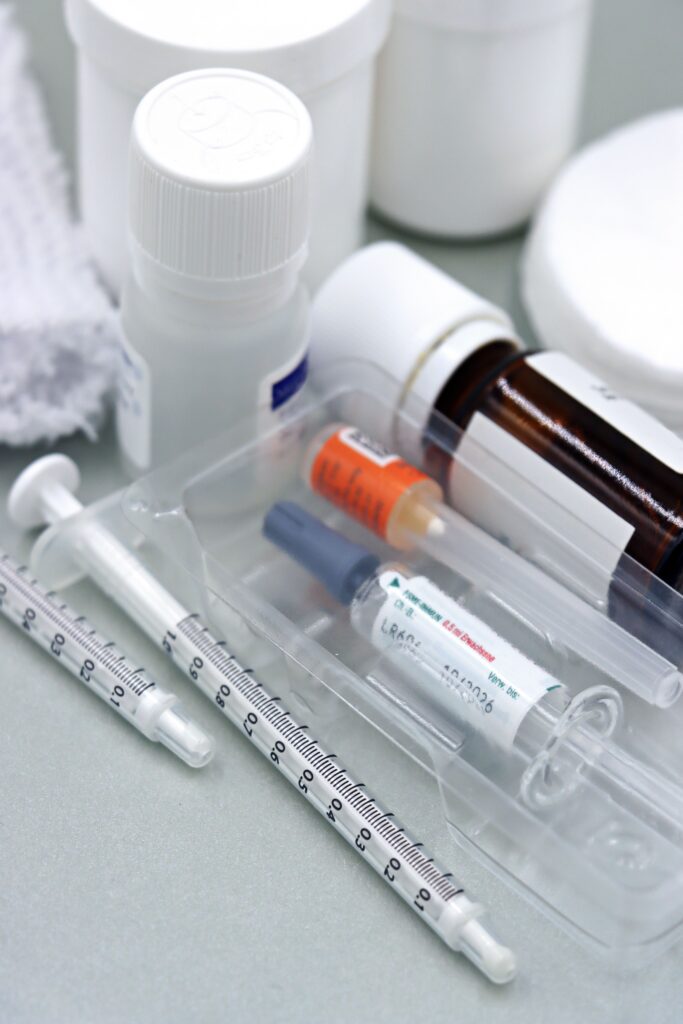
If your practice buys and bills drugs, billing accuracy depends on details most people never see. The J-code
has to match the drug and the billing unit, the NDC and quantity have to match what was administered, and
Medicare also expects a modifier that reports drug waste or the absence of it. Get a unit wrong and the payer
underpays or denies the claim. Administration codes add another layer. And drug prices change often, so
reimbursement can drift without anyone noticing. We reconcile drug claims against what you actually paid for
the product, so you aren’t quietly losing money on every injection.

Recurring Services and Frequency Limits
Some urology services repeat on a schedule: catheter changes, stent removals, bladder instillations, hormone
injections. Payers watch these closely. A catheter change billed too often draws questions about medical
necessity. A stent removal may be part of the global package, depending on the original procedure. And
supplies such as catheters can need supplier enrollment before a payer will pay. We track frequency, global
periods, and supply rules by payer so repeat services keep getting paid.
Urology Billing vs. General Medical Billing
They share a foundation, but urology adds layers general billing never touches.
General Medical Billing
Standard visit and procedure claims, mostly one service at a time.
Urology Office Billing
Visits plus in-office procedures, labs, and imaging, often on the same day.
Urology Procedural & Drug Billing
Global periods, modifiers, bundling edits, drug units, and recurring services.
Why the difference matters
A biller who’s strong on general claims can still get urology wrong, because the rules behind most urology
denials (modifier 25, bundling, drug units) barely exist in general billing.
The Billing Problems That Actually Hurt Urology Practices
Missing or Misused Modifier 25
Billing a visit and procedure together without it, or with weak documentation, is a top reason urology claims get
denied.
Bundling Edits
Payers bundle related cystoscopy and biopsy codes, and the rules differ by payer and code pair.
Drug Unit and NDC Errors
A mismatch between the J-code units, the NDC, and what was administered leads to denials or underpayment.
Prior Authorization Gaps
Advanced imaging, urodynamics, and some procedures need approval first. No authorization, no payment.
Diagnosis Specificity
Vague diagnoses fail medical necessity edits. BPH, hematuria, and incontinence all need the right level of
detail.
Frequency and Medical Necessity
Catheter changes, urodynamics, and repeat testing get denied when they land outside payer limits.
Payers and Coverage Rules We Work With
Urology practices bill commercial plans, Medicare, Medicare Advantage, and Medicaid, and patients often owe
a real deductible after a procedure. Each payer has its own authorization list, bundling edits, and drug policies.
We learn how each payer works and build it into your billing, so a policy change doesn’t show up first as a pile
of denials.

Signs It's Time to Get Billing Help
Most practices don’t switch billing partners because of one bad month. They switch because the same
problems keep showing up. Sound familiar?
- Claims are sitting in A/R for more than 60 days
- Modifier 25 and bundling denials keep coming back
- Drug claims are paid less than you expected
- Nobody is sure which services need authorization
- Your team spends hours on payer calls about repeat services
- If two or more of these hit close to home, a free practice audit will show you exactly where the money is going.
Why Practices Outsource This
01
Less Admin Work
Billing stops eating your front-desk and clinical staff’s time.
02
Fewer Errors
A dedicated coding and claims process catches what a generalist team misses.
03
Fewer Denials
Verification, authorization, and modifier checks happen before submission, not after rejection.
04
Faster Payment
Clean claims and consistent follow-up shorten the gap between service and payment.
05
Fewer Compliance Headaches
Someone else tracks payer policy changes so you don’t have to.
06
Urologists Stay Urologists
Less billing noise means more time with patients and in the procedure room.
About 360 Clinical Solutions
360 Clinical Solutions is a medical billing and revenue cycle management company built for U.S. healthcare providers. Urology is one of the specialties we serve. We handle patient information under HIPAA safeguards and keep claims moving so reimbursement stays predictable.
| Company | 360 Clinical Solutions |
|---|---|
| Industry | Medical Billing & Revenue Cycle Management |
| Service | Urology Medical Billing |
| Audience | U.S. Urology Practices |
| Availability | Nationwide in the United States |
| Related Services | Medical Billing, Credentialing, Eligibility Verification, Medical Coding, Denial Management, Payment Posting |

Frequently Asked Questions
Do you handle billing for in-office procedures like cystoscopy and biopsy?
Yes. We code in-office procedures from the procedure note, apply the right modifiers, track global periods, and
check bundling edits before the claim goes out.
Can an office visit and a procedure be billed on the same day?
Often, yes, when the visit was a significant, separately identifiable service beyond the usual work that comes
with the procedure. That takes modifier 25 and documentation that supports it. We review both before billing.
What urology tests typically require prior authorization?
It varies by payer, but advanced imaging, urodynamics, and some procedures commonly need approval first.
We check each payer’s list before the service is scheduled.
Do you bill for oncology-related urology services?
Yes. That includes drug administration for prostate and bladder care, with J-codes, units, and NDCs matched to
what was given, plus the visits and procedures around treatment.
How do you handle billing for recurring procedures like catheter changes or stent removals?
We track frequency limits and global periods by payer, confirm medical necessity documentation, and check
supply and enrollment rules, so repeat services aren’t denied for timing.
What are common reasons urology claims get denied?
Missing or unsupported modifier 25, bundled procedures, drug unit mismatches, missing prior authorization,
vague diagnoses, and frequency limits. Most can be caught before submission.
Get Started Today
Optimize your medical billing with trusted experts. Let’s improve your revenue cycle together.