
Cardiology Health Billing Services for U.S. Healthcare Providers
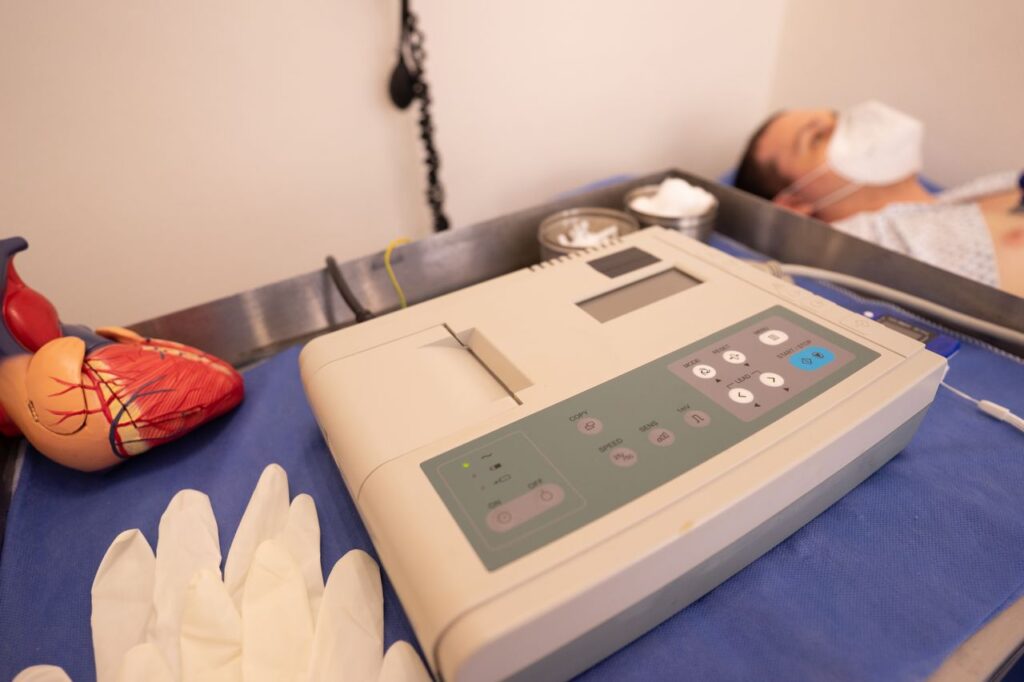
Cardiology billing doesn’t get simpler just because a test only takes a few minutes. One visit can produce an
office E/M, an EKG, an echo, and a stress test, each with its own professional and technical component. Cath
lab procedures stack codes and modifiers. Device checks follow frequency limits. 360 Clinical Solutions runs
the full revenue cycle for cardiology practices, so your claims reflect everything you actually did and get paid for
it.

Expert Cardiology Billing That Drives Practice Growth
If you run a cardiology practice, you already know the work is a mix. General cardiology visits, in-office
diagnostics, hospital rounds, procedures, device follow-ups. Each one bills differently, and a lot of them depend
on where the service happened and who owns the equipment. One missing modifier on a stress test can turn a
payment into a denial, and nobody notices until A/R starts aging.
We handle the whole revenue cycle for you, from verification and prior authorization through coding, claims,
denials, and payment posting. Our certified billing and coding team works under HIPAA and HITECH
compliance standards, with more than ten years of working experience behind it. The goal is simple. Get you
paid accurately, get you paid faster, and give your cardiologists their time back.
Why Cardiology Billing Is Different
Most specialties bill a visit. Cardiology bills a visit plus a stack of tests. A single appointment might include an
evaluation, an EKG, an echocardiogram, and a stress test, and each diagnostic can be split into a professional
component for the interpretation and a technical component for the equipment and staff. Who gets to bill which
part depends on who owns the equipment and where the test was done.
Then there’s the settings problem. Cardiologists work in the office, the hospital, and the cath lab, sometimes in
the same day. Place of service changes the payment rate and the rules. Add prior authorization for advanced
imaging, frequency limits on device checks, and strict medical necessity standards for almost every test, and it’s
easy to see why general billing teams struggle.
It’s all manageable with people who know it cold and check every claim against it before it goes out.
Our Cardiology Billing Services
01
Insurance Verification & Prior Authorization
Coverage confirmed and approvals secured before the nuclear
stress test, cardiac CT, or procedure, not after a denial.
02
Cardiology Coding & Modifiers
Accurate CPT, HCPCS, and ICD-10 coding, including 26, TC, 25,
and coronary artery modifiers.
03
Diagnostic Testing Billing
Echo, stress testing, and Holter or event monitors billed globally or
split by component, depending on who owns the equipment.
04
Procedure & Cath Lab Billing
Diagnostic and interventional procedures coded vessel by vessel
with the right bundling and modifiers.
05
Device Implant & Monitoring Billing
Pacemaker and ICD implants, device interrogations, and remote
monitoring billed within frequency limits.
06
Cardiac Rehab Billing
Session tracking, supervision documentation, and diagnosis
requirements for rehab programs.
07
Payment Posting & Reconciliation
Every payment matched against what your contract says you should
have received.
08
A/R Follow-Up & Collections
Aging claims worked until they’re paid, not reviewed once and
forgotten.
How We Handle Your Billing
No black box. Here’s what happens to every encounter, in order.
- STEP 01 OF 08
Intake & Verification
We collect patient and insurance details and confirm coverage before the visit, including whether the planned
test or procedure needs prior authorization.
- STEP 02 OF 08
Charge Capture
We make sure every billable service is captured, from the EKG to the device check, so nothing gets left on the
table.
- STEP 03 OF 08
Documentation Review
Certified coders assign CPT, HCPCS, and ICD-10 codes from the report and documentation, not guesswork.
- STEP 04 OF 08
Component Check
We decide whether the practice bills the global service or just one component, based on who owns the
equipment and who interpreted the test.
- STEP 05 OF 08
Claims Scrubbing
Claims are checked against payer rules, frequency limits, and bundling edits before submission. This is where
most denials get stopped.
- STEP 07 OF 08
Payment and Denials
Payments are posted and compared to expected reimbursement. Denied or underpaid claims get corrected and
resubmitted.
- STEP 08 OF 08
Reporting
You see claim status, collections, and A/R without having to ask.
Common Cardiology Services We Bill For
From the exam room to the cath lab, here’s what we handle most often.
- New and established patient visits, including consults and hospital rounds
- EKGs, echocardiograms, and stress testing
- Holter, event, and remote cardiac monitoring
- Nuclear and advanced cardiac imaging interpretation
- Diagnostic and interventional cardiac catheterization
- Pacemaker and defibrillator implants, and device follow-up
- Rules shift by payer and by procedure, so we confirm the details before a claim goes out instead of assuming.
Cardiology Billing, By Practice Type
General Cardiology Practices
High-volume visits and in-office testing, with the right modifiers on every same-day claim.
Interventional Cardiologists
Cath lab and stent procedures coded vessel by vessel, where one error can cost thousands.
Electrophysiology Practices
Ablations, device implants, and monitoring programs with their own frequency and documentation rules.
Heart Failure & Advanced Care Clinics
Complex patients with frequent follow-ups, remote monitoring, and long authorization trails.
Cardiac Imaging & Diagnostic Labs
Echo, nuclear, and CT billing split correctly between professional and technical components.
Cardiology Groups & Cardiac Rehab Programs
Multiple physicians, locations, and programs run as one coordinated billing operation.
Professional vs. Technical Component, Explained
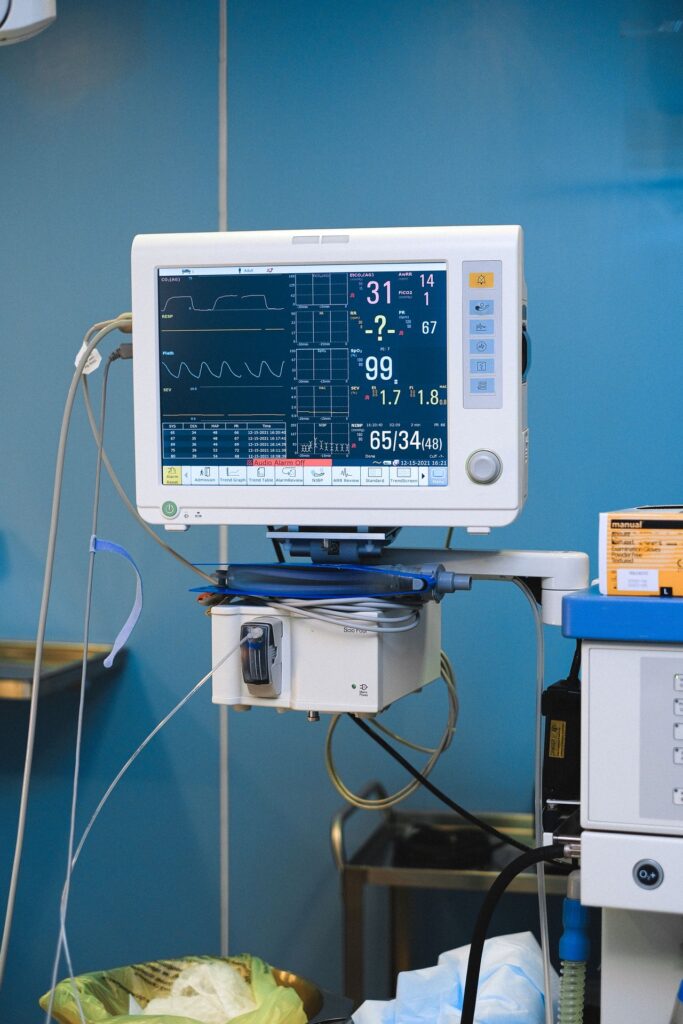
Most cardiac diagnostics have two parts. The professional component is the physician’s interpretation of the
results. The technical component covers the equipment, supplies, and staff that performed the test. If your
practice owns the equipment and your physician reads the study, you bill both together as a global service. If
the test is done at a hospital or imaging center, you bill only the professional component, usually with modifier
26. Get this wrong and you either bill for something you don’t own or give away revenue you’ve earned. We
check ownership and place of service on every diagnostic claim.
Prior Authorization for Advanced Cardiac Testing
Advanced testing is where authorization trouble concentrates. Nuclear stress tests, cardiac CT and MRI, and
some echocardiograms and cath procedures often need approval before the patient walks in, and many
commercial payers route those requests through third-party utilization management companies with their own
portals and criteria. The approval has to match the test, the codes, and the dates. An authorization for one
study doesn’t cover a different one. We track requirements by payer, submit with the clinical support attached,
and watch expiration dates so nobody finds out at the claim stage.


Device Implants, Remote Monitoring, and Cardiac Rehab
Device billing has its own rhythm. Implants carry global periods, so related follow-up visits aren’t billed
separately. Interrogations and remote monitoring have frequency limits, and exceeding them means denials.
Cardiac rehab adds session limits, supervision requirements, and diagnosis rules that vary by payer. These are
three small corners of cardiology that quietly eat revenue when nobody’s tracking them. We build each payer’s
limits into the claim check so you aren’t billing past them.
Cardiology Billing vs. General Medical Billing
They share a foundation, but cardiology adds layers general billing never touches.
General Medical Billing
Standard visit and procedure claims, mostly one service at a
time.
Cardiology Diagnostic Billing
Office visits plus tests, each split into professional and technical components.
Cardiology Procedural Billing
Cath lab, device, and interventional work with modifiers, bundling edits, and global periods.
Why the difference matters
A biller who’s strong on general claims can still get cardiology wrong, because the rules behind most cardiology
denials (component billing, modifiers, medical necessity) barely exist in general billing.
The Billing Problems That Actually Hurt Cardiology Practices
Component Billing Errors
Billing globally when you only own part, or splitting when you own all of it, both lead to denials or lost payment.
Modifier Mistakes
A missing 25, 26, or TC turns a payable claim into a denial, and it’s among the most common cardiology coding
errors.
Medical Necessity Denials
Stress tests and echos get denied when the diagnosis doesn’t support them or when they repeat inside a
payer’s frequency window.
Prior Authorization Gaps
Advanced imaging and procedures often need approval first. No authorization, no payment.
Cath Lab Coding Complexity
Coronary vessel modifiers and bundled add-on codes are easy to get wrong and easy for payers to deny.
Place of Service Errors
Office versus hospital changes the rate and the rules, and a wrong code can cut payment.
Payers and Authorization Rules We Work With
Cardiology practices bill commercial plans, Medicare, Medicare Advantage, and Medicaid, and each handles
authorization and medical necessity differently. Medicare and Medicare Advantage lean on coverage policies
tied to diagnosis codes. Commercial payers often add their own edits and frequency limits. We learn how each
payer works and build it into your billing, so a rule change doesn’t turn into a wave of denials.

Signs It's Time to Get Billing Help
Most practices don’t switch billing partners because of one bad month. They switch because the same
problems keep showing up. Sound familiar?
- Claims are sitting in A/R for more than 60 days
- Modifier or bundling denials keep coming back
- Nobody is sure which tests need authorization
- Your team can't say which component to bill on in-office testing
- Device checks or rehab sessions are denied for limits
- If two or more of these hit close to home, a free practice audit will show you exactly where the money is going.
Why Practices Outsource This
01
Less Admin Work
Billing stops eating your front-desk and clinical staff’s time.
02
Fewer Errors
A dedicated coding and claims process catches what a generalist team misses.
03
Fewer Denials
Verification, authorization, and modifier checks happen before submission, not after rejection.
04
Faster Payment
Clean claims and consistent follow-up shorten the gap between service and payment.
05
Fewer Compliance Headaches
Someone else tracks payer policy changes, and your data stays under HIPAA and HITECH safeguards.
06
Cardiologists Stay Cardiologists
Less billing noise means more time with patients.
About 360 Clinical Solutions
360 Clinical Solutions is a medical billing and revenue cycle management company built for U.S. healthcare providers. Cardiology is one of the specialties we serve. We handle patient information under HIPAA and HITECH safeguards and keep claims moving so reimbursement stays predictable.
| Company | 360 Clinical Solutions |
|---|---|
| Industry | Medical Billing & Revenue Cycle Management |
| Service | Cardiology Billing Services |
| Audience | U.S. Behavioral Health Providers |
| Availability | Nationwide in the United States |
| Related Services | Medical Billing, Credentialing, Eligibility Verification, Medical Coding, Denial Management, Payment Posting |

Frequently Asked Questions
Do you handle billing for cardiac device implantation and follow-up?
Yes. We bill pacemaker and defibrillator implants, track the global period so related visits aren’t billed
separately, and handle interrogations and remote monitoring within each payer’s frequency limits.
What advanced cardiac tests typically require prior authorization?
It varies by payer, but nuclear stress tests, cardiac CT and MRI, and some echocardiograms and cath
procedures commonly need approval first. We check each payer’s list before the test is scheduled.
How do you handle same-day diagnostic and procedural billing?
We code each service from its own documentation, apply modifier 25 or the right distinct-service modifier where
the services are truly separate, and check bundling edits so legitimate services aren’t denied as included.
Do you bill for both general and interventional cardiology practices?
Yes. General cardiology, interventional work, electrophysiology, and imaging all run through one billing
operation, but each is coded and tracked on its own rules.
How do you handle billing for cardiac rehabilitation programs?
We track session counts, confirm qualifying diagnoses, and make sure supervision and ECG monitoring
documentation supports each claim, since payers set their own limits.
What are common reasons cardiology claims get denied?
Missing modifiers, component billing errors, medical necessity gaps, missing prior authorization, repeated tests
inside a frequency window, and place of service mistakes. Nearly all of them can be caught before submission.
Get Started Today
Optimize your medical billing with trusted experts. Let’s improve your revenue cycle together.